
Quick & Easy Meals
10 Easy Dinner Ideas for Nights You Really Don't Want to Cook
For the evenings when everyone still needs dinner but you do not have the energy for a recipe with twelve ingredients, three pans and a kitchen that needs rescuing afterward.
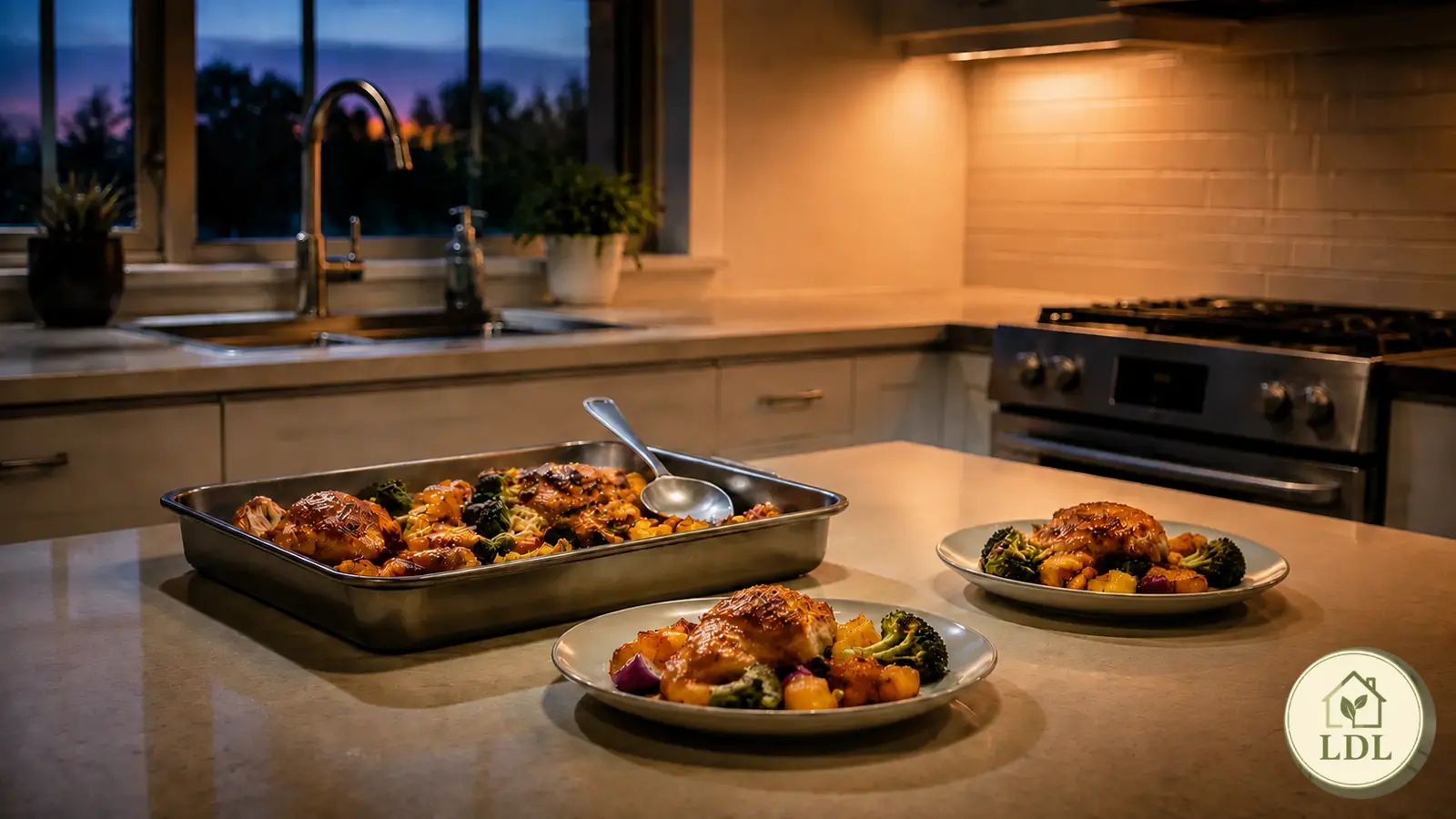
Some nights you are not short on recipes. You are short on willingness to begin. You open the refrigerator, stare at perfectly normal food and still think, I cannot deal with making dinner from all of this. Chopping feels annoying. The pan you need is still in the sink. Somebody is hungry now. And the thought of creating another pile of dishes is enough to make takeout feel like the only reasonable plan.
That does not mean you are bad at meal planning or that you need a more ambitious cooking routine. Sometimes dinner simply needs to ask less of you. The ideas below are not meant to impress anyone. They are meant to give you a few dependable ways to feed yourself or your family when your energy is lower than your appetite.
Before choosing dinner, ask one easier question
Instead of asking, “What should I cook tonight?” ask:
How much work can I tolerate right now?
- Almost none: choose a snack plate, soup-and-toast dinner, eggs, or something from the freezer.
- Five minutes of setup: try quesadillas, a quick bowl, pasta or loaded potatoes.
- Ten minutes of setup: a sheet-pan meal or fried-rice-style dinner can do more of the cooking for you.
This tiny shift matters. It stops you from choosing a meal based on the person you wish you were at 6 p.m. and lets you choose for the person who is actually standing in the kitchen.
1. Eggs, toast and whatever produce is easiest
Breakfast-for-dinner works because the ingredients are familiar and the expectations are low. Scrambled eggs, fried eggs or an omelet with toast can become dinner without pretending to be anything more complicated.
Add whatever is easiest alongside it: sliced cucumber, tomatoes, fruit, leftover roasted vegetables, avocado, yogurt or even a handful of greens if you have them. You do not need to turn the plate into a brunch spread.
This is especially useful when: the refrigerator looks “empty” because you do not have a full meal planned, but you still have a few ordinary staples.
Make it easier next time: choose one breakfast-for-dinner combination your household already likes. Familiarity is part of the shortcut. On a tired night, you do not want to negotiate a new menu with yourself.
2. Quesadillas, wraps or toasted sandwiches with leftovers inside
Leftovers often feel unappealing when the only option is eating yesterday's dinner exactly as it was. But the same chicken, vegetables, beans or cheese can feel different tucked inside a tortilla, flatbread or sandwich and heated until the outside is crisp.
You can keep the formula very loose:
- something that holds it together—cheese, hummus, beans, egg or another filling;
- one leftover or quick ingredient;
- one sauce or seasoning you already like.
The point is not to create a perfect quesadilla recipe. It is to stop a small amount of food from becoming another container you avoid until it is forgotten.
3. Build a bowl instead of cooking a complete “meal”
A bowl dinner is useful when you have ingredients but they do not look like a meal yet. Start with one base, add one filling component, add something fresh or frozen, and finish with a sauce or seasoning.
For example:
- rice + leftover chicken or beans + frozen vegetables + a sauce;
- couscous + chickpeas + cucumber + yogurt or dressing;
- noodles + egg + vegetables + a favorite condiment;
- leftover roasted potatoes + protein + greens + whatever sauce needs using.
This is one reason flexible prep can be more useful than preparing five complete meals in advance. If you already have one grain, one cooked protein or a few chopped vegetables ready, dinner starts halfway finished. Our 1-Hour Meal Prep guide is built around exactly that idea.
4. Pasta with one shortcut vegetable and one shortcut protein
Pasta becomes exhausting when you mentally turn it into a restaurant dish. On a low-energy night, let it be simple.
Cook the pasta. Add one sauce or flavor base you already have. Then add one easy vegetable and, if you want it, one easy protein. Frozen peas, spinach, broccoli or mixed vegetables can save chopping. Beans, tuna, leftover chicken, lentils, eggs or another familiar option can make the meal more substantial without starting another complicated recipe.
If all you can manage is pasta with sauce and something simple on the side, that still counts as dinner. The purpose of an emergency-easy meal is to keep you from feeling that every evening requires a production.
5. A sheet-pan dinner when you can handle 10 minutes of prep
Sheet-pan meals are not always the fastest to cook, but they can be low in hands-on work. That distinction matters when you are tired. Ten minutes of cutting and seasoning followed by mostly hands-off oven time may feel much easier than standing at the stove.
Use foods that cook on roughly compatible timelines and cut them appropriately for even cooking. A simple version might be a protein you already use, a sturdy vegetable and potatoes or another side. Or use pre-cut vegetables when chopping is exactly the task you are trying to avoid.
If you already use oil for both light coating and pouring, a two-in-one dispenser such as the YARRAMATE spray-and-pour oil dispenser can reduce the number of bottles you reach for. If that format would genuinely replace two tools in your kitchen, you can also read our guide to the YARRAMATE dispenser →. If your current oil bottle works perfectly well, keep using it—the meal does not become easier just because the bottle changed.
6. Soup plus one thing that makes it feel like dinner
Soup is one of the easiest meals to dismiss as “not enough” and then accidentally turn into a bigger cooking project. Instead, use the soup as the main shortcut and add just one easy side.
That might be:
- toast or garlic bread;
- a grilled or toasted sandwich;
- an egg;
- a simple salad;
- leftover rice or noodles stirred into the soup;
- beans, shredded chicken or another ready protein added to the bowl.
A pantry or freezer soup you actually eat is more useful than a “better” dinner idea that requires energy you do not have.
7. Make a snack-plate dinner and stop apologizing for it
There are evenings when cooking is not the problem to solve. Hunger is.
Put together several ready-to-eat foods that make sense for your household: cheese, boiled eggs, hummus, fruit, vegetables, crackers, bread, yogurt, nuts or seeds where appropriate, leftover meat, olives, dips, or anything else that can become a satisfying plate without cooking another meal.
This works particularly well when different people want different things. Instead of making three separate dinners, you create a shared collection of simple components.
The only rule that matters is that the plate feels like enough food for the people eating it. “Snack dinner” should remove work, not leave everyone searching the kitchen again twenty minutes later.
8. Turn leftover rice or noodles into a one-pan rescue dinner
Cold cooked rice, leftover noodles and small amounts of vegetables can become useful again when you stop expecting each leftover to stand alone.
A quick fried-rice-style meal or stir-fried noodles can absorb:
- one or two vegetables that need using;
- an egg;
- small amounts of cooked protein;
- the last spoonfuls of a sauce or condiment.
This is less about following a precise recipe and more about having a familiar “leftovers can become this” destination. When you know where small leftovers are going, they feel less like refrigerator clutter.
If chopping is the part that makes this kind of dinner annoying, first try keeping one dependable cutting board easy to reach. If your current boards are damaged, too small or constantly buried, our guide to the ROYAL CRAFT WOOD 3-piece bamboo cutting-board set covers the three listed sizes and the hand-wash limitation. A new board is only useful if the board itself is the friction.
9. Load a potato instead of building a whole dinner around it
A baked or microwave-cooked potato or sweet potato can act as the base for whatever needs using. Add beans, cheese, leftover chili, cooked vegetables, yogurt, shredded chicken, tuna, herbs, sauce or another topping your household already enjoys.
This is particularly helpful when there is not enough leftover food to serve everyone as-is. A small amount of something flavorful can stretch much further as a topping than it can as a separate meal.
Keep the topping decision small. Two or three things are enough. The moment you start arranging nine little bowls of toppings, the easy dinner has quietly become an event.
10. Keep one “freezer rescue” dinner that requires almost no thinking
The most useful easy dinner is often not a clever idea. It is the one you have already decided on before the bad evening arrives.
Choose one or two freezer combinations that your household genuinely eats. Depending on your preferences, that could be:
- dumplings + frozen vegetables;
- frozen flatbread or pizza + fruit or salad;
- frozen cooked protein + rice + vegetables;
- a frozen homemade portion + bread;
- another familiar freezer meal that requires very little cleanup.
Do not save these meals for an imaginary “real emergency.” A Wednesday when you are exhausted and everyone still needs feeding is exactly what they are for.
How to make these ideas useful instead of creating another list you forget
Do not try to remember all ten. Pick three emergency dinners that fit your actual kitchen and household.
For example:
- No-energy dinner: snack plate.
- Five-minute-start dinner: quesadillas or pasta.
- Use-up-leftovers dinner: bowls or fried rice.
Write those three somewhere you will see them when you are tired: a note on your phone, inside a cabinet, on the refrigerator, or in the grocery list you already use.
The real value is not having more dinner inspiration. It is shortening the miserable little stretch of time between “I do not want to cook” and “Okay, this is what we are eating.”
Keep a tiny “tired-night” grocery backbone
You do not need a special emergency pantry. But it helps to notice which ingredients repeatedly rescue dinner in your home.
Your list might include:
- eggs;
- bread, tortillas or flatbread;
- one pasta or grain;
- a jarred sauce or soup;
- beans or another easy protein;
- frozen vegetables;
- one freezer meal;
- one condiment that makes simple food feel more appealing.
This is not about stockpiling. It is about knowing which ordinary foods turn “there is nothing to eat” into “I can make something from this.” If pantry visibility is the bigger problem, our small-pantry organization guide focuses on making everyday food easier to see and reach.
What if you have leftovers but nobody wants them?
Do not assume the only responsible option is serving the exact same plate again. Sometimes a small transformation is enough.
- roasted vegetables → bowl, wrap or omelet filling;
- chicken → sandwich, quesadilla or pasta add-in;
- rice → fried rice or bowl base;
- beans → loaded potato, wrap or quick soup addition;
- bread → toast, sandwich or soup side.
If you regularly save leftovers and then forget them, visible, stackable storage can help—but only if storage is actually the problem. The BOROHOUSE glass meal-prep container guide covers one same-size glass option, and our glass vs plastic comparison explains when each material makes more sense.
When dinner feels like too much
Make the decision smaller before you make the meal
You do not need ten new recipes. You need a few dinners that still feel possible when the day has already used most of your patience.
Choose the amount of effort you can tolerate. Use what is already ready. Let leftovers change form. Keep one freezer rescue meal. And give yourself permission to serve a dinner that is simple because tonight needs to be simple.
If a meal gets everyone fed without leaving you resentful of the kitchen afterward, it has done its job.
FAQ
Common questions about easy dinners on tired nights
What is the easiest dinner when I really do not want to cook?
Choose a meal with almost no setup: eggs and toast, a substantial snack plate, soup with an easy side, or a familiar freezer meal. The easiest option is the one that fits food you already have and does not create a second problem with cleanup.
What can I make for dinner when the fridge looks empty?
Look for components rather than a complete recipe. Eggs, bread, pasta, rice, canned beans, frozen vegetables, soup, tortillas, cheese and leftover ingredients can often become a bowl, pasta dinner, quesadilla, soup-and-toast meal or breakfast-for-dinner.
How do I make leftovers feel less repetitive?
Change their format. Put leftover protein or vegetables into a wrap, bowl, pasta dish, omelet, fried rice or loaded potato. You are using the same food without asking everyone to eat the same plate again.
Do easy dinners have to be one-pot meals?
No. One-pot meals can reduce cleanup, but the real goal is low total effort. Eggs and toast may use more than one item but still feel easier than a one-pot recipe that requires twenty minutes of chopping.
How many emergency dinner ideas should I keep?
Three is a good practical starting point: one almost-no-cook option, one five-minute-start option and one way to use leftovers. A short list you remember is more useful than fifty saved recipes you never open when you are tired.
Your turn
What makes dinner feel impossible on tired nights?
Tell us which obstacle remains when you need food with very little planning, preparation or cleanup.
Comments are reviewed before anything is published. Your response will not appear publicly automatically.
Continue
Make the next dinner easier too
A note on this guide: These are flexible meal ideas, not individualized nutrition advice. Adapt ingredients, portions and preparation to your household's needs and dietary requirements. Lighter Day Living has not personally tested the products linked in this article. Product links in this article open Lighter Day Living product guides rather than Amazon directly. Each guide contains clearly labeled Amazon affiliate links and summarizes retailer listing information and relevant limitations.