
Easy Baking & Bread
What Can You Actually Make in a Bread Machine—Besides Bread?
If you are wondering whether a bread maker will earn its place on the counter—or become one more appliance you feel guilty about not using—start with what it can realistically do for your routine.
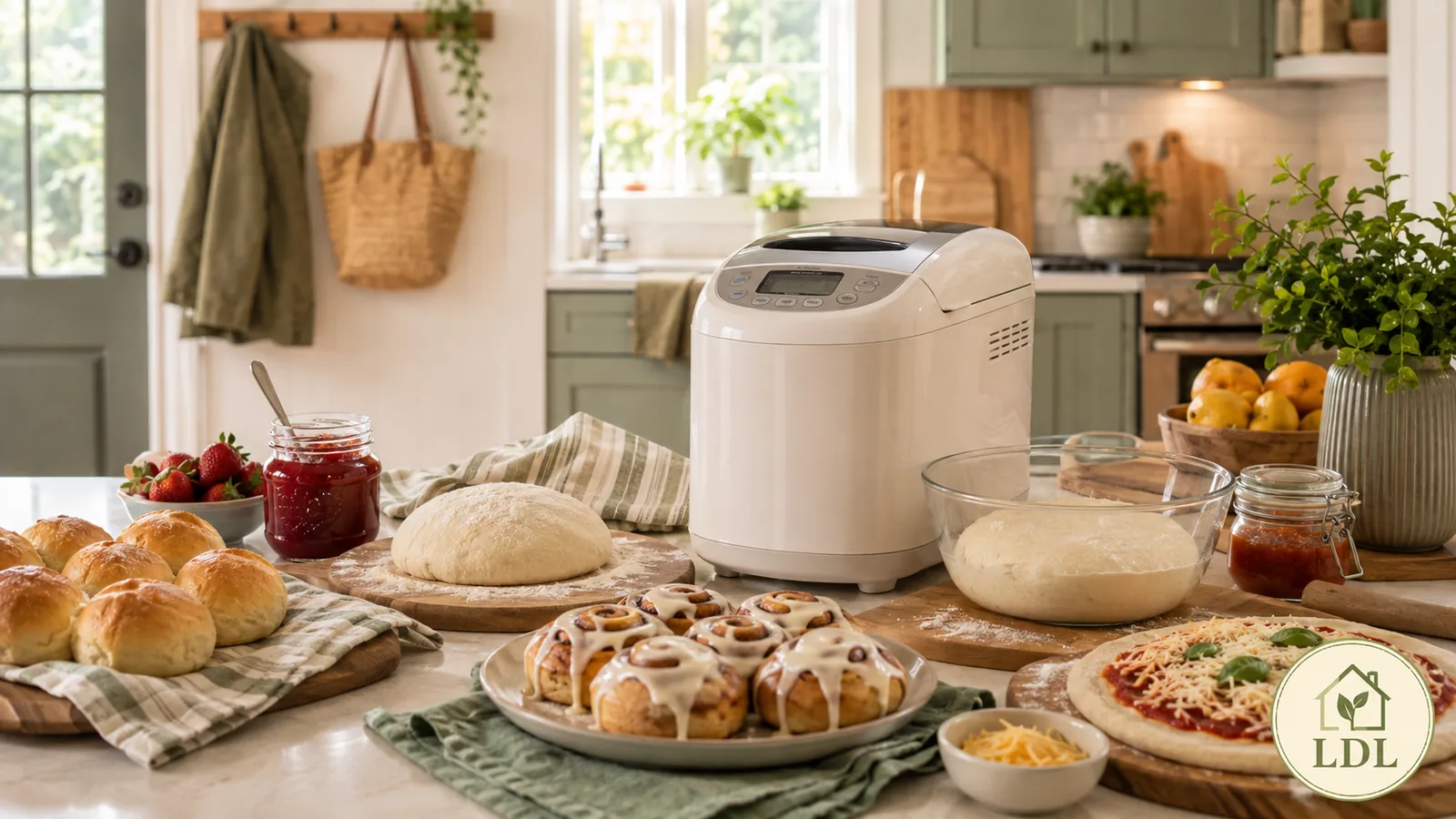
Bread machines sound wonderful when you picture waking up to warm bread. They sound less wonderful when you picture a bulky appliance taking up precious counter space while you still buy bread from the store because using it feels like another project.
That hesitation is reasonable. A bread machine can remove a lot of hands-on mixing, kneading, proofing and timing, but only if the things it makes are things your household genuinely wants. A long program list is not automatically valuable. Three functions you use every week are more useful than seventeen functions you never touch.
First: what does a bread machine actually do for you?
When you make yeast bread by hand, the work is spread across several stages: measuring, mixing, kneading, letting the dough rise, shaping, waiting again and baking. None of those steps is impossible, but together they can turn “I want homemade bread” into “maybe this weekend.”
A bread machine combines much of that process into one programmed cycle. You still measure ingredients and clean the pan afterward, but the machine can handle much of the repetitive active work and timing.
That is the real convenience. It is not that bread suddenly requires zero effort. It is that you do not have to keep returning to the dough to manage every stage yourself.
1. Everyday sandwich bread
This is the obvious use—and probably the one that matters most if you are deciding whether a bread maker is worth owning.
You add the ingredients in the order required by your machine's recipe, choose the appropriate bread program, select the loaf size and crust setting if your model offers them, and let the cycle run.
For a household that regularly eats toast, sandwiches or bread with meals, this can be the function that justifies the appliance. You are not buying a machine because it can make seventeen things. You are buying it because one thing you already use often becomes easier to make at home.
Think twice if: your household barely eats bread. Even an excellent bread maker may not earn its footprint if the main thing it produces is not part of your normal food routine.
2. Whole-wheat and other programmed bread styles
Many bread machines offer separate cycles because different doughs do not all behave the same way. Whole-wheat dough, for example, may need a different mixing or rising schedule from a basic white loaf.
The exact options vary by model, so this is an area where the menu matters more than the marketing number. If whole-wheat bread, gluten-free bread or another particular style matters to you, look for that specific program instead of assuming a machine can handle it well simply because it says “multi-function.”
The OSIPOTO 17-in-1 bread maker discussed in this guide includes dedicated bread modes and a gluten-free program in the seller-listed menu. We have not personally tested the finished results, so treat those as documented listing functions rather than performance claims.
3. Pizza dough—without standing there kneading it
This is one of the most useful “besides bread” functions because the machine does not have to bake the final food.
Use a dough or pizza-dough cycle to mix, knead and rise the dough. Then take it out, shape it, add toppings and bake it in your oven according to your recipe.
That can make homemade pizza feel much more realistic on a day when you like the idea of fresh dough but do not want flour all over the counter or a kneading session added to dinner.
It is also a good reminder that a bread machine does not have to produce the familiar tall bread-machine loaf every time. You can let the machine do the part you dislike and finish the food somewhere else.
4. Dinner rolls, buns and other shaped doughs
If your machine has a dough cycle, you can often use it as a dough-preparation tool for foods that will eventually be shaped and baked in the oven.
That may include dinner rolls, burger buns or other yeast doughs supported by an appropriate recipe. The machine handles the mixing, kneading and first rise; you handle the shaping and final baking.
This can be more useful than it sounds. Some people enjoy shaping dough but hate kneading. Others are comfortable baking but struggle with knowing when the first rise is finished. A dough cycle lets you outsource the stage that creates the most friction without giving up control of the final shape.
5. Cinnamon-roll or sweet-roll dough
A dough program can also reduce the messy part of enriched or sweet dough recipes. The exact recipe still matters—especially the ingredient ratios and the cycle your manufacturer recommends—but the basic convenience is the same: the machine can do the repetitive mixing and kneading while you save your energy for rolling, filling and shaping.
If you love the result of homemade rolls but rarely make them because the beginning feels like too much work, this may be one of the more valuable uses of the appliance.
If you dislike shaping and finishing dough just as much as kneading it, however, this function will not magically make homemade rolls effortless. Be honest about which part of baking you actually avoid.
6. Cake or quick-bake programs—if your machine includes one
Some bread makers include a cake program or another setting designed for batter-based baking. That does not mean every cake recipe can simply be poured into a bread pan and expected to work.
Use recipes designed for the machine or follow the manufacturer's instructions for that program. The pan shape, heating pattern and mixing method are different from a conventional cake tin in an oven.
The OSIPOTO model in our current research lists a cake program among its 17 modes. That makes cake part of its advertised versatility, but it should be viewed as an extra function—not a reason to replace a normal oven if you already enjoy conventional baking.
7. Jam
Jam sounds like an odd bread-machine feature until you think about what the machine is already designed to do: heat ingredients while a paddle stirs them on a programmed schedule.
Models with a dedicated jam program can use that controlled stirring/heating cycle for compatible recipes. This can reduce some of the standing-and-stirring work involved in stovetop preparation.
But this is exactly the kind of function that looks impressive in a feature list and may never matter in real life. If you make jam once every three years, it should not influence your buying decision very much. If homemade spreads are already part of your routine, it may be genuinely useful.
8. Yogurt—on models designed for it
Some multi-function bread machines include a yogurt mode that maintains the conditions required by the machine's yogurt program. The OSIPOTO listing includes yogurt among its named functions.
This is not a universal bread-machine capability, so do not assume a standard machine has it. And because yogurt preparation involves temperature and food-safety considerations, follow the manufacturer's recipe and instructions rather than improvising a process from a machine that was not designed for it.
Again, ask the practical question: would you actually make yogurt? An extra program only adds value if it replaces something you already buy, already make, or genuinely want to start making.
9. A dough-only workflow when you dislike bread-machine-shaped loaves
One common objection to bread machines has nothing to do with taste: people simply do not love the tall, rectangular shape produced by the machine's pan.
You do not have to choose between “machine-shaped loaf” and “make everything by hand.” Use the dough cycle, remove the dough, shape it into a loaf, place it in your preferred pan and finish it in the oven according to your recipe.
This gives you more control over the final shape and crust while still removing much of the hands-on kneading and first-rise management.
10. A timed loaf for a morning or later meal—when the recipe is appropriate
Many bread makers include a delay timer, and the idea is appealing: load the machine earlier, set the timer and have the cycle finish closer to the time you want the bread.
The OSIPOTO model lists a delay timer of up to 15 hours. But a long delay should not be treated as permission to leave any mixture sitting at room temperature. Ingredients and recipes containing perishables may not be appropriate for unattended delays.
Follow the machine's manual and recipe guidance for delayed starts. The timer is useful only when the recipe is suitable for it.
So what can the OSIPOTO 17-in-1 model make?
Based on the Amazon listing information we documented on August 10, 2026, the OSIPOTO 2LB 17-in-1 Automatic Bread Maker lists programs/functions that include:
- basic bread;
- whole-wheat and other bread programs;
- gluten-free bread;
- dough;
- pizza dough;
- cake;
- jam;
- yogurt;
- additional programmed baking/preparation modes.
It also lists three loaf sizes—1 lb, 1.5 lb and 2 lb—plus light, medium and dark crust settings. Those specifications make it more flexible than a machine built only around one basic loaf cycle.
If you want to inspect the full documented specifications, footprint and limitations before deciding whether it fits your kitchen, see our OSIPOTO bread maker product guide. If this particular feature set fits what you would actually use, you can also read our guide to the current OSIPOTO listing →.
Amazon price, availability, ratings and listing details can change. Lighter Day Living has not personally tested this machine.
Will a bread machine actually save you time?
It can save hands-on time, which is not always the same as making bread finish faster.
A programmed loaf may still take hours because dough needs time to mix, rise and bake. The difference is that you are not actively working for all of those hours.
That distinction matters if your pain point is:
- not wanting to knead;
- forgetting about dough during rising stages;
- not wanting multiple bowls and surfaces involved;
- wanting a repeatable process you can start and leave alone;
- liking homemade bread but rarely having the patience to manage it manually.
If your pain point is simply “I need bread in ten minutes,” a bread machine will not solve that. A loaf still needs time.
The counter-space question matters more than the program count
This is where many appliance decisions go wrong. You focus on what the machine can do and forget to ask where it will live.
The OSIPOTO model's listed dimensions are about 13.78 inches deep × 11.42 inches wide × 10.04 inches high, before allowing extra room above it to open the lid.
If your kitchen is already short on working surface, measure the footprint before you fall in love with the feature list. Our small-kitchen organization guide makes the same point more broadly: every item that permanently lives on the counter should earn that space.
Ask these five questions before buying one
- What would I make most often? If you cannot name at least one or two repeat uses, pause before buying.
- Which part of bread making do I actually dislike? If it is kneading and timing, a machine may help. If you dislike the whole process including measuring ingredients and cleanup, automation may not change enough.
- Where will the machine live? Measure the counter, cabinet or shelf before purchase.
- Would dough-only use be valuable to me? Pizza, rolls and shaped loaves can make a bread machine more versatile even if you do not love machine-baked loaf shapes.
- Are the extra programs things I will use—or just things I like knowing I could use? Those are not the same thing.
This is the same principle behind our Cooking Shortcuts guide: the best tool is the one that removes a repeated piece of work from your real routine, not the one with the longest feature list.
When a bread machine probably makes sense
A bread maker is easier to justify when several of these sound familiar:
- you buy or eat bread regularly;
- you like homemade bread but rarely want to knead or monitor dough;
- you would use a dough cycle for pizza, rolls or other baking;
- you have a practical place to keep the machine;
- you prefer repeatable push-button routines over managing multiple bread stages yourself;
- at least one of the model's extra functions—jam, yogurt, cake or specialty bread—fits something you genuinely make.
When it may become another appliance you do not use
Think twice if:
- your household rarely eats bread or yeast-based foods;
- counter and cabinet space are already a daily frustration;
- you enjoy kneading and shaping enough that automation removes the part you actually like;
- you are buying mainly because the idea of homemade bread feels aspirational rather than because it fits your current routine;
- you are counting ten specialty functions as value even though you realistically want only one.
There is nothing wrong with deciding that bread from the bakery or supermarket is easier for your household. The goal is not to make everything from scratch. The goal is to spend your time and kitchen space on the things that genuinely make everyday life better.
Bottom line
A bread machine is most useful when you think beyond the loaf—but stay realistic
Yes, a bread machine can do more than make a basic loaf. Depending on the model, it can prepare pizza dough, roll dough, specialty breads, cake, jam, yogurt and other foods.
But versatility only matters when it matches your habits. If you would regularly use bread and dough programs, the extra functions can make the appliance feel even more worthwhile. If you would rarely use the core bread function, seventeen modes probably will not rescue the purchase.
Buy for the two or three jobs you know you will repeat—not for the fifteen possibilities that sound nice on the box.
FAQ
Common questions about what you can make in a bread machine
Can you make things other than bread in a bread machine?
Yes, depending on the model. Dough is one of the most common additional uses. Some machines also include programs for pizza dough, cake, jam, yogurt, gluten-free bread and other specialty functions. Check the exact program list before buying.
Can a bread machine make pizza dough?
Many machines have a dough or dedicated pizza-dough cycle. The machine mixes, kneads and rises the dough; you then remove it, shape it, add toppings and bake the pizza separately.
Can you make rolls in a bread machine?
You can use an appropriate dough cycle and recipe to prepare dough for rolls or buns, then remove, shape and bake them in the oven. The bread machine does not need to bake the final product to be useful.
Can a bread machine make cake?
Some models include a cake program, but not all do. Use a recipe and cycle intended for your specific machine rather than assuming a conventional oven cake recipe will behave the same way in a bread-machine pan.
Can a bread machine make jam?
Some models include a dedicated jam cycle that combines programmed heating and stirring. Follow the manufacturer's recipe and instructions for the specific machine.
Your turn
What would you want a bread machine to handle for you?
Tell us which bread, dough or specialty function would justify giving the machine counter space.
Comments are reviewed before anything is published. Your response will not appear publicly automatically.
Once the loaf is baked, storage becomes the next practical decision. Our Bread Box vs Airtight Container guide explains which setup makes more sense for soft sandwich bread, crusty loaves and bread you will not finish quickly.
Continue
Make the kitchen decision easier
A note on this guide: Bread-machine functions vary by brand and model. General uses in this article should be checked against the instructions for your specific appliance. Details about the OSIPOTO 2LB 17-in-1 model come from the Amazon listing information reviewed for this guide on August 10, 2026; we have not personally tested the machine. Product links in this article open Lighter Day Living product guides rather than Amazon directly. Each guide contains clearly labeled Amazon affiliate links.